

I’m a paranoid planner, and I always try to get ahead of what’s to come, so I usually have high expectations for the place I’m about to visit because I simply assume that I know everything about it.
A few years ago, my husband and I decided to go on a 2-month road trip in Argentina, Chile, Uruguay, and Brazil on a single motorcycle. This was definitely one of the most transformative trips we ever made. We were both freelancers at the time, and we could work from anywhere we wanted. Still, I wanted to be prepared for everything that could go wrong. After a thorough revision on our dear Nazgul (yeah, we name our vehicles), a full and complete itinerary designed by us for ourselves, daily budget set, and number of stops we would make per kilometer ridden, we left Rio de Janeiro in the direction of the very last city in South America, Ushuaia, with little luggage and high hopes.

In Brazil, we were used to the road conditions and what to expect in terms of security, and we are Portuguese speakers, so communication was not an issue. And in fact, it all went well, and we had a great time exploring the states of Parana, Santa Catarina, and Rio Grande do Sul.
We crossed the Brazilian and Uruguayan border via the famous Chuy, or highway BR-471 for those familiar with Brazil’s highways, which is known to be unsafe. Immigration procedures are never something we look forward to, and our experience in Uruguay, although not the smoothest, went well. We managed to tick off most of our planned route within the timeframe.
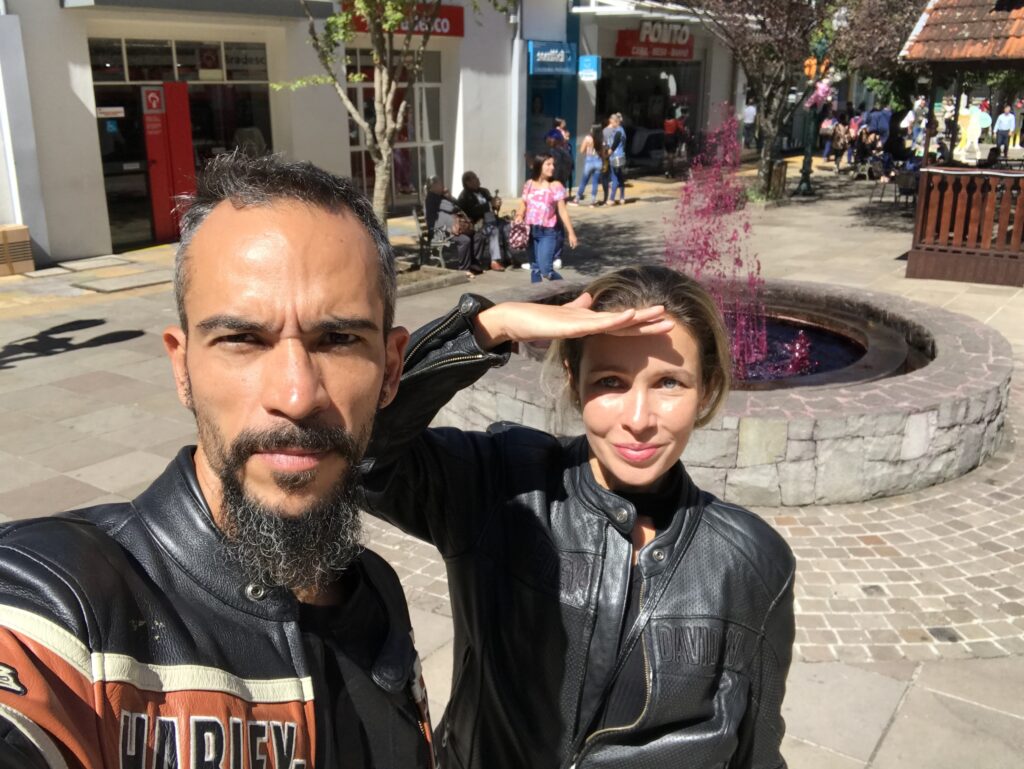

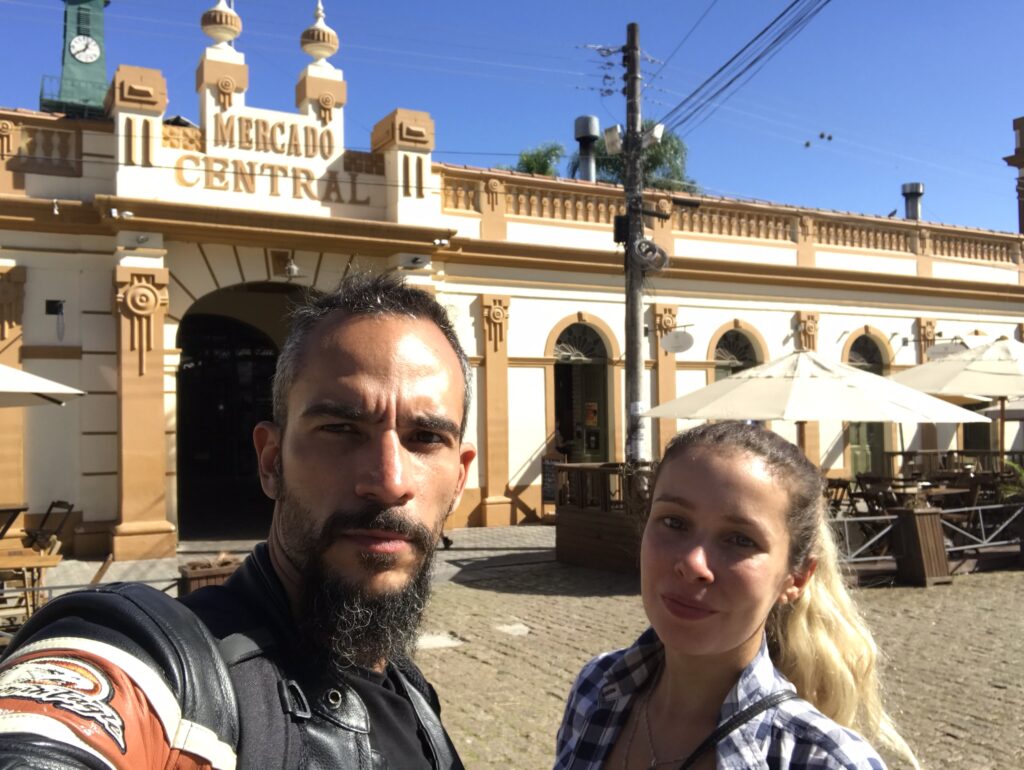
The most anticipated leg of this road trip was really the Argentinean roads. And I thought I came prepared. Passing through Buenos Aires, the roads start to get more isolated, and the cities far away from each other. But our main goal was to reach “Fin del Mundo,” and we were aware that we should drive long distances per day to get there in a maximum of 1 week. In fact, we managed to get to Ushuaia on time, but we encountered a few roadblocks on the way.

Dealing with Corrupt Police
Certainly something that I did thorough research on – as I do on every road trip we take – and I knew that we would have to deal with the local police at some point. What we did not know is that no matter how right you are and how prepared your equipment is, they will find ways to extort money from you. As I mentioned, we had prepared the bike and all equipment needed to fit each country’s rules, Argentina included. We were stopped by two officers around noon, on our way to Bahia Blanca. They asked us to step away from the bike and asked the routine questions, like documents for both of us and the bike, and had a very good look at the type of bike we were riding, insinuating we were rich for driving a BMW. So, assuming that we had money, they “created” a new rule that our certified reflector equipment was not approved in Argentina and that we would have to buy a new one in the next city – and help them avoid taking the “issue” to the station. We played the game. After all, we wouldn’t risk spending days in the city because of a dispute with the local police, leaving them the cash they asked for, and getting back on our bike. My point here is that no matter how prepared you are, you will be frustrated because all you want is to do the right thing, but that would create more trouble. Believe me, I had second thoughts, and I was willing to go to the station, but I’d have encountered the same type of nice officer behind the desk.
Navigating Challenging Road Conditions
Another surprise was the fact that the road conditions were even worse than what we had prepared for. Not only was the asphalt nonexistent for most of Ruta 40, but gas stations worked as a mirage. They could or could not be there for kilometers ahead. The situation is so bad that the stretch of the road between Tres Lagos and Gobernador Gregores is one of the most famous and most feared places on the way to Tierra del Fuego – Los 73 Malditos (The Terrible 73 in a rough translation). The 73 kilometers of loose stone gravel make everything more intense in addition to the strong wind of this region! Can you imagine how it is to drive there with rain and snow? I risk saying that any motorcyclist who has crossed this 73 kilometers would agree with me that it’s one of the most dangerous places to drive a motorbike on the whole journey to Ushuaia. We crossed it with almost no gas and prayed to get to the end safe and with Nazgul in one piece.

Confronting the Patagonian Winds
The Roaring Forties, also known as Patagonian winds, were named by sailors who navigate the latitudes between 40 and 50 degrees south of the equator. Imagine a wind so strong that it can push you out of the road, capable of stripping your tire off, and make you feel like a survivor as you finally get to your destination. Once again, I did a good job researching the weather conditions throughout the route, but if someone had told me that before I experienced it, I wouldn’t believe it. I did chat with some experts in this part of the world that I met through social media, but they made me think that it was just another windy road. It’s definitely not the case. So be prepared! You will need extra strength to face the fury winds of the south.

Despite all the obstacles on the way, riding to Ushuaia was one of the greatest experiences we have ever had, and we would do it all over again – maybe not on a motorcycle. We spent exactly 60 days on the road, and we learned something new every single day of this journey. Back home, I remember doing a mental balance check on the trip and realizing that the main lesson I learned was to be more patient and accept that we can’t be prepared for everything. I still say better safe than sorry, but I know I’ll face unexpected situations in every new road trip, and I’ll just have to deal with them.
This is one of my favorite topics to write and talk about, so leave a comment below on what you would like to know more about this adventure or any other topics you would like to read here.